What happened
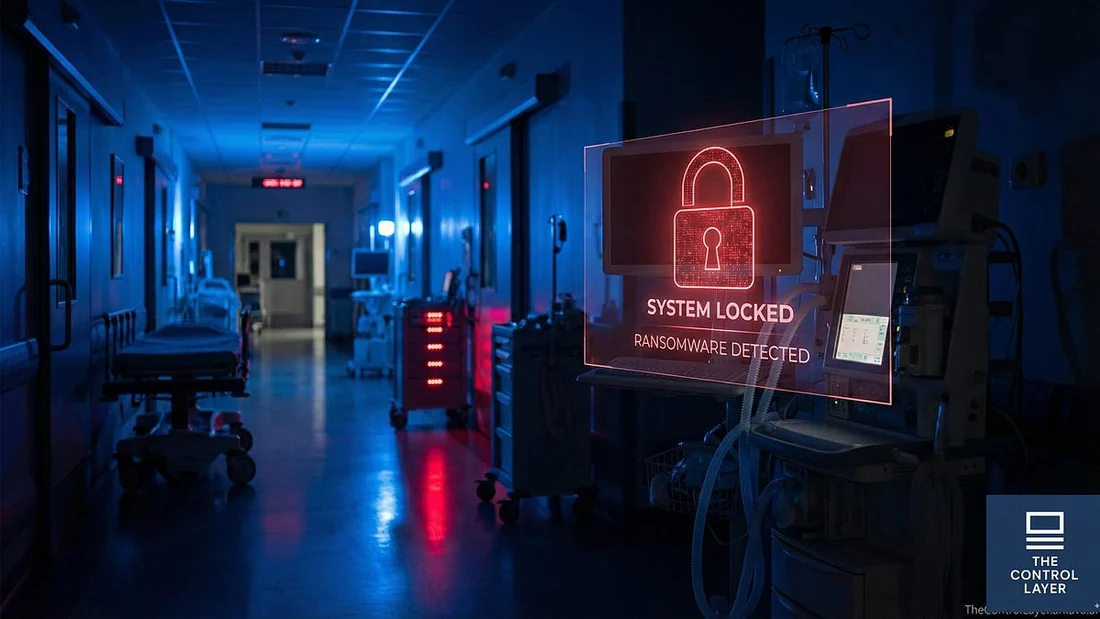
Universal Health Services, which operates acute-care and behavioural-health hospitals across the United States, said in a filing with the Securities and Exchange Commission that it experienced an information technology security incident in the early morning hours of 27 September 2020 and responded by suspending user access to its information-technology applications at its United States operations. The company said its facilities used established back-up processes including offline documentation methods, and stated that patient care continued to be delivered safely and effectively despite the disruption. It added that, at that point, it had no evidence that patient or employee data was accessed, copied or misused. A month later, in its third-quarter earnings release, UHS told investors that although its investigation was continuing, it remained unable to quantify the ultimate impact of the incident, while warning it could have an adverse effect on future results. Neither filing names an attacker, a ransomware family, or a specific financial cost. The following month, CISA separately warned of an imminent ransomware threat to U.S. hospitals and healthcare providers, sector-wide context that does not name UHS specifically.
Confidence and limits
Both company statements come directly from UHS's own SEC filings, legally required disclosures rather than marketing material, and are treated here as the company's authoritative account of what it knew and when. Because UHS did not identify the type of attack or name a threat actor in either filing, this account does not attribute the incident to any specific ransomware family; other reporting has described it in more specific terms, but that reporting is not the basis for this article. No dollar cost is stated in these filings, so none is given here.
Why it mattered
The case illustrates that for a hospital operator, the most immediate and measurable damage from a ransomware-style incident is often operational, clinical staff falling back to paper records and offline procedures, rather than a data-theft event. It also shows a large public company treating a cyber incident as a securities-disclosure matter from its first press release onward, well before any final cost was known.
Defensive takeaway
Confirm that clinical or operational staff have rehearsed offline, paper-based procedures for a sustained outage, not just a brief one, and establish in advance who decides to suspend network access company-wide and how that decision will be communicated to patients, staff and investors within hours.
- Could our frontline staff sustain safe operations on offline or paper procedures for several days, not just a few hours?
- Do we have a pre-agreed threshold and owner for the decision to suspend network access across an entire organisation?
- Would our public disclosures acknowledge uncertainty about cost and cause honestly, the way this filing did, rather than overstating an early assessment?
UHS's public filings never resolved into a single, quantified cost in the record reviewed here, which is itself instructive: for many organisations the financial and clinical impact of a major IT outage is only partly knowable in the days after the event, and disclosure obligations require saying so plainly rather than guessing.
Build downtime procedures, offline documentation and a defined threshold for suspending network access into your incident-response plan before an attack, since the decision UHS describes making in the first hours often matters more than any single technical control.
Universal Health Services' own SEC filings establish the date, the operational response and the company's later statement that it could not yet quantify the impact. The filings do not name a ransomware family or an attacker, so this account does not attribute either.
Sources & reading trail
UHS's own press release describing the incident, the suspension of IT access and offline documentation.
company-primary · Source published: 29 September 2020 · Retrieved: 16 September 2026
UHS's later statement that it remained unable to quantify the incident's financial impact.
company-primary · Source published: 29 October 2020 · Retrieved: 16 September 2026
CISA's sector-wide advisory on ransomware threatening U.S. hospitals the following month, provided as context and not a report on this specific incident.
government-primary · Source published: 28 October 2020 · Retrieved: 16 September 2026
Official records establish the facts; confidence labels and defensive takeaways are Patch & Proof editorial analysis. This retrospective draft does not imply the site published on the event date.